
Medicines/Rongoaa hauaauru

Māori Pharmacists Association Incorporated
Medication & heatlh helpline
Māori Pharmacist Association information has information about medicines & information related to all things pharmacy
If you want to contact a Māori pharmacist for health care or advice, you can call us on 0800 664 688

Diabetes NZ - website
Different types of Diabetes medications & sick day management
Summary from website:
-
A ide range of medications available for diabetes management.
-
Healthy blood pressure is crucial for Type 2 diabetes.
-
Most Type 2 diabetes patients eventually require medication.
-
Blood glucose testing helps determine medication dosage.
-
Insulin can be added if tablets become ineffective.
-
Medication adjustments may be needed with weight or activity changes.
-
Healthy glucose and blood pressure reduce complication risks.
-
Medication use is common in Type 2 diabetes management.
Types of Medications:
-
Tablets:
-
Biguanides (Metformin): Increases insulin sensitivity.
-
SGLT 2 inhibitors (Empagliflozin): Reduces glucose through urine.
-
DPP-IV inhibitors (Vildagliptin): Increases insulin secretion.
-
Sulphonylurea tablets (Gliclazide, Glipizide, Glibenclamide): Increases insulin production.
-
Alpha-Glucosidase inhibitors (Acarbose): Slows glucose absorption.
-
-
Sub-cutaneous Injections:
-
Insulin: Supplements body's insulin production.
-
GLP-1 receptor agonists (Dulaglutide): Increases insulin, decreases glucagon.
-
Important Notes:
-
Medication should be taken as directed, often with food.
-
Be aware of potential side effects and interactions.
-
Regular monitoring and doctor consultations are essential.
-
Managing sick days is important when on diabetes medication.
-
Information on safe disposal of sharps is provided.

Diabetes NZ
Diabetes & Insulin
Summary from website
-
Insulin Administration:
-
Injected via syringe, pen, or pump.
-
Storage: Refrigerate (2-8°C), open vials/pens can be at room temp for 28 days.
-
-
Insulin Types:
-
Rapid-acting: Fast onset, short duration (e.g., NovoRapid).
-
Short-acting: Medium onset, medium duration (e.g., Actrapid).
-
Intermediate/Long-acting: Longer onset, longer duration (e.g., Lantus).
-
Premixed: Combines short/rapid and intermediate insulin.
-
-
Key Characteristics:
-
"Bolus" insulins (rapid/short) are clear.
-
"Basal" insulins (intermediate/long) are cloudy or clear.
-
Onset, peak, and duration vary by type.
-
-
Brands:
-
Novo Nordisk.
-
Lilly.
-
Sanofi.
-
-
Storage:
-
Refrigerate unopened insulin.
-
Do not freeze.
-
Discard after expiry.
-
-
Prescriptions:
-
Insulin is 30 days supply at a time from pharmacy.
-

Healthify
Diabetes Medicines Website
Sumary from website:
-
Constantly raised blood glucose (huka) levels damages your blood vessels and nerves, leading to problems affecting your kidneys, feet and eyes. Your risk of stroke and heart attacks also increases.
-
When used with a healthy diet and exercise, diabetes medicine can effectively lower your blood glucose levels.
-
Find out how to take diabetes medicines safely and possible side effects from this website
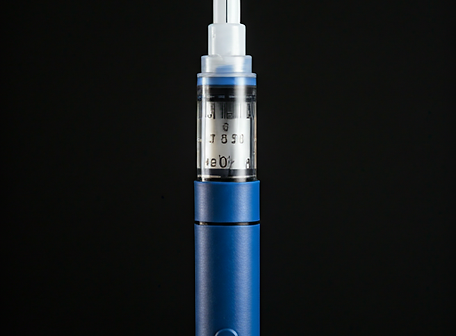
Waitemata District Health Board
Starting Insulin
Summary from pamphlet:
-
Why do I need insulin?
-
What does insulin do?
-
Why are there diferent types of insulin?
-
How do I take insulin?
-
How do I use my insulin pen?
-
Where do I inject my insulin?
-
How do I store my insulin?
-
How often do I need to inject insulin?
-
When do I inject insulin?
-
Does insulin have any side effects?
-
Do I need to change what I eat?
-
Monitoring my glucose levels
-
My glucose levels
-
What is hypoglycaemia and hyperglycaemia?
-
What does a ‘hypo’ feel like?
-
What causes a ‘hypo’?
-
What should I do if I have a ‘hypo’? (Glucose <4mmol/L)
-
Hyperglycaemia, or high glucose (>15 mmol/L)
-
What should I do if my glucose stays high

Waitemata District Health Board - Written Pamphlet
How to use your insulin pen
The information in this pamphlet includes:
-
It is important to change your insulin injection sites each time you inject to ensure proper absorption and prevent lumps.
-
Examples of ways to rotate injection sites include horizontal, curve, zig-zag, and crisscross patterns.
-
Factors like exercise, heat, and injecting into old sites or scar tissue can affect insulin absorption.
-
Avoid injecting into any lumps from previous injections.
-
Always check you have the correct insulin and that it hasn’t expired before starting.
-
Your doctor/nurse/specialist will guide you on when to take your insulin.
-
Steps for using an insulin pen:
-
Open a new needle and attach it to your insulin pen before your first injection of the day.
-
If your insulin is cloudy, it needs to be mixed by gently rotating the pen up and down at least 20 times until evenly mixed.
-
Remove the needle cap. Dial up 2 units and press the plunger, checking for a good flow of insulin from the needle tip. Repeat until insulin flows freely.
-
Dial up your insulin dose and inject.
-
After pushing the plunger to deliver the insulin, leave the needle in your skin for 10 seconds before withdrawing it.
-
Change your needle daily. Remove the needle and dispose of it into a sealed/sharps container. Your pharmacy will advise you on safe disposal.
-
-
Mealtime insulin needs to be taken when you eat.
-
You can keep the insulin pen you are using at room temperature. Once you start using an insulin pen, do not put it back in the fridge.
-
Avoid leaving insulin in the sun or in hot or cold places, especially when traveling.
-
Keep spare insulin in the refrigerator.
-
Change your insulin cartridge or disposable pen every month (if not used within that time).
-
Testing your blood glucose is important to see if the insulin type and dose is working correctly.
-
You will be advised on when you should be testing your blood glucose. If you test at mealtimes, try to test before you eat.
-
Write down your numbers in a log book/diary. Bring your blood glucose readings to your clinic appointments so your treatment can be adjusted. Bring your logbook and glucometer.
Diabetes NZ - website
Types of Insulin
Here is a summary from the website:
-
Insulin Types and Characteristics:
-
Short Acting:
-
Actrapid®: 3ml cartridge and 10 ml vial, Clear, Manufacturer: Novo Nordisk, Generic Name: Human Actrapid
-
Humulin R®: 3ml cartridge and 10 ml vial, Clear, Manufacturer: Lilly, Generic Name: Insulin Neutral
-
-
Rapid Acting:
-
NovoRapid®: 3ml cartridge, 10ml vial and 3ml FlexPen, Clear, Manufacturer: Novo Nordisk, Generic Name: Aspart
-
Humalog®: 3ml cartridge and 10 ml vial, Clear, Manufacturer: Lilly, Generic Name: Lispro
-
Apidra®: 3ml cartridge, 10 ml vial, 3ml Solostar disposable pen, Clear, Manufacturer: Sanofi, Generic Name: Glulisine
-
-
Intermediate / Long Acting:
-
Humulin NPH®: 3ml cartridge and 10 ml vial, Cloudy suspension, Manufacturer: Lilly, Generic Name: Isophane
-
Protaphane®: 3ml cartridge and 10 ml vial, Cloudy suspension, Manufacturer: Novo Nordisk, Generic Name: Insulin Isophane
-
Lantus®: 3ml cartridge, 10ml vial, 3ml Solostar disposable pen, Clear, Manufacturer: Sanofi, Generic Name: Insulin Glargine
-
-
Mixtures:
-
Humulin 30/70® (formerly Humulin 70/30): 30% short-acting and 70% intermediate-acting insulin, 3ml cartridge and 10 ml vial, Cloudy suspension, Manufacturer: Lilly, Generic Name: Human Recombinant
-
Novomix 30®: 30% quick acting and the rest intermediate acting insulin, 3ml disposable FlexPen®, Cloudy, Manufacturer: Novo Nordisk, Generic Name: Insulin Aspart
-
PenMix 30®; PenMix 40®; PenMix 50®: 30% and 40% short-acting and the rest intermediate-acting insulin, 3ml cartridge, Cloudy suspension, Manufacturer: Novo Nordisk
-
Mixtard 30®: 30% short-acting and 70% intermediate-acting insulin, 10 ml vial, Cloudy suspension, Manufacturer: Novo Nordisk
-
Humalog Mix 25®; Humalog Mix 50®: 25% and 50% rapid-acting and the rest intermediate-acting insulin, 3ml cartridge, Cloudy suspension, Manufacturer: Lilly
-
-
Sources and related content

Healthify - Written Pamphlet
Empagliflozin (JARDIANCE)
Summary of information in this pamphlet:
Empagliflozin
-
Empagliflozin, also called Jardiance, is used to treat type 2 diabetes and heart failure.
-
For type 2 diabetes, it lowers blood glucose by removing glucose when you pee.
-
For heart failure, it reduces breathlessness, tiredness, and ankle swelling.
-
Other benefits include:
-
protects kidneys and heart
-
lowers blood pressure
-
reduces risk of heart attack
-
helps with weight loss
-
lowers chances of hospital admission for heart failure
-
may help you live longer
-
-
Empagliflozin increases glucose in urine, which can cause urinary tract infections (UTIs) or fungal genital infections (thrush).
-
To reduce risk:
-
Take care with genital hygiene.
-
After peeing, rinse genitals with water or pat dry with toilet paper.
-
People with a vagina: Wash vulval area twice a day.
-
People with a penis: Wash groin once a day and pull back foreskin before peeing.
-
-
To avoid serious infection, treat thrush or a UTI immediately. Contact your healthcare provider if you notice:
-
Itching, pain, redness, or swelling on genitals or bottom.
-
Pain or burning when you pee.
-
Peeing often or pee that is cloudy, dark, or smells.
-
-
These infections should be treated early to avoid complications.
-
Empagliflozin can cause ketoacidosis, a buildup of ketones in the blood, making the blood acidic.
-
Risk of ketoacidosis is higher if you are:
-
dehydrated or have diarrhea
-
not eating enough carbohydrates
-
-
To prevent ketoacidosis:
-
Drink enough fluid so you don’t get thirsty. If you’ve been told to limit fluids, talk to your healthcare team.
-
Avoid or limit alcohol.
-
-
Ketoacidosis is serious and needs immediate treatment. If you have nausea, vomiting, or tummy pain, go to your GP or hospital immediately. You need a finger prick blood test to check ketone levels.
-
Tell your doctor if you are pregnant or breastfeeding, as you will need to change to another medicine.
-
Have a sick day plan for when you’re unwell. Stop taking empagliflozin if you have nausea, vomiting, diarrhea, or fever. Start again when you’ve been eating and drinking normally for 1 to 2 days.
-
Talk to your healthcare team BEFORE you:
-
Start a low carbohydrate diet (keto).
-
Do intense or prolonged physical activity.
-
Take other medicines or herbal supplements.
-
Have an operation or procedure where you stop eating for 12 hours or more (e.g., colonoscopy). You’ll need to stop taking empagliflozin a few days before.
-
Sources and related content

Healthify - Website
Empagliflozin (JARDIANCE)
Key points from this website (among others)
-
Empagliflozin is used to treat type 2 diabetes and heart failure (along with other medicines).
-
Empagliflozin is also called Jardiance.
-
Find out how to take it safely and possible side effects.

Health Quality and Safety Commission
5 questions to ask about your medication
Summary from handout/factsheet
This is a helpful poster so you know what to ask your healthcare team about your medications:
Here are the 5 questions:
-
CHANGES? Have any medications been added, stopped, or changed, and why?
-
CONTINUE? What medications do I need to keep taking, and why?
-
PROPER USE? How do I take my medications, and for how long?
-
MONITOR? How will I know if my medication is working, and what side effects do I watch for?
-
FOLLOW-UP? Do I need any tests, and when do I book my next visit?
The poster also advises to keep your medication record up to date, including drug allergies, vitamins and minerals, herbal/natural products, and all medications including non-prescription products. It further suggests asking your doctor, nurse, or pharmacist to review all your medications to see if any can be stopped or reduced

Healthify - Video
How to take Jardiance & Jardiamet
This is a video which contains information about how to take this medicine. It provides helpful advice in an instructional way

Healthify - website
Dulaglutide (TRULICITY)
Summary from website:
-
Dulaglutide is used to treat type 2 diabetes.
-
Dulaglutide is also called Trulicity.
-
Find out how to take it safely and possible side effects.

Healthify - Website
Gliclizide
Summary from the website
-
Gliclazide is used to treat type 2 diabetes.
-
It belongs to a group of medicines called sulfonylureas.
-
Gliclazide is commonly called Glizide.
-
Find out how to take it safely and possible side effects.

Healthify - website
Liraglutide/Victoza or Saxenda
Summary from website:
-
Victoza is used to treat type 2 diabetes and to protect you from having a heart attack or stroke.
-
Victoza also protects your kidneys and may help you to live longer.
-
Victoza lowers your blood glucose in several ways, including by helping your pancreas produce more insulin after meals, slowing down how quickly food is absorbed and reducing your appetite.
-
This is one reason people on Victoza usually lose weight.
-
Victoza can be used alone or with other diabetes medicines (such as metformin or insulin), along with healthy eating and regular exercise.
-
Victoza is available as an injection given under your skin.
-
Although Victoza is an injection, it is NOT insulin.
-
Victoza helps your body to release its own insulin just when you need it, improving blood glucose control throughout the day.
-
Unlike insulin it won't cause weight gain or low blood glucose levels (hypoglycaemia) when used alone.
On the website, there is also a factsheet (handout) and video to click on to learn more

New Zealand Formulary
Metformin Information Sheet
Summary of handout:
Metformin
-
Metformin is used to treat diabetes and sometimes other conditions.
-
Before starting, tell your doctor if you have kidney problems, are pregnant, planning pregnancy, or breastfeeding.
-
Take metformin regularly as directed with a glass of water.
-
If you miss a dose:
-
If it's almost time for your next dose, skip the missed dose.
-
Otherwise, take it as soon as you remember.
-
Do not take two doses at the same time.
-
-
Tell your doctor or pharmacist about all medicines or treatments you're taking, including vitamins, herbal products, or recreational drugs.
-
If you notice any other effects, discuss them with your doctor or pharmacist.
-
Side effects and actions:
-
Symptoms of lactic acidosis (nausea, vomiting, diarrhea, weakness, muscle pain, fast breathing): Tell your doctor immediately.
-
Changes in taste, loss of appetite: Tell your doctor if troublesome.
-
Stomach upset, farting, indigestion: Common when you first start but should improve. Tell your doctor if troublesome.
-
-
You'll need regular blood tests (HbA1c) to check your diabetes control.
-
If you're unwell, follow your diabetes sick-day plan or talk to your health professional.

Healthify - website
Vildiglipton Information (GALVUS)
Summary from website:
-
Galvus (Vildagliptin) is a medicine used to treat type 2 diabetes.
-
It can be used alone or combined with other diabetes medications like metformin (Galvumet).
-
Galvus works by:
-
Increasing the amount of insulin produced by your body.
-
Reducing the amount of glucagon produced by your pancreas.
-
-
By reducing glucagon, it also helps to reduce glucose levels in your blood.

Healthify - website informaiton
GALVUMET (Vildagliptin & Metformin combined)
Summary from website:
-
Galvus (Vildagliptin) is a medicine used to treat type 2 diabetes.
-
It can be used alone or combined with other diabetes medications like metformin (Galvumet).
-
Galvus works by:
-
Increasing the amount of insulin produced by your body.
-
Reducing the amount of glucagon produced by your pancreas.
-
By reducing glucagon, it also helps to reduce glucose levels in your blood.
-
Sources and related content
-
Find out how to take it safely and the possible side effects.

Healthify - website plus videos
JARDIAMET - Empagliflozin + Metformin
Summary from website:
-
Jardiamet is mainly used to treat type 2 diabetes and protect your kidneys and heart.
-
It is a combination of 2 medicines: empagliflozin and metformin, in a single tablet.
-
Empagliflozin lowers blood glucose by helping your kidneys get rid of glucose when you pass urine.
-
Metformin lowers blood glucose by:
-
Reducing how much glucose is released from the liver.
-
Helping the cells of your body to absorb more glucose from your bloodstream.
-
-
Jardiamet has other benefits:
-
It can help with weight loss.
-
Protects your kidneys and heart.
-
Reduces your risk of having a heart attack.
-
Lowers blood pressure.
-
It may also help you live longer.
-
-
Jardiamet is best used together with healthy eating and regular exercise.
-
Jardiamet may also be prescribed if you have diabetes and heart failure.
-
When used with other heart failure medicines, empagliflozin:
-
Reduces breathlessness.
-
Reduces tiredness.
-
Reduces ankle swelling.
-
Helps to remove excess fluid and salt when you pee.
-
Lowers your chances of hospital admission for heart failure.
-
-
In New Zealand, Jardiamet is funded for some people with type 2 diabetes or type 2 diabetes and heart failure, who meet the Special Authority criteria.
-
A special authority means your doctor or specialist will need to make an application to Pharmac (the government medicine funding agency) for approval before the medicine can be funded for you.

Health Navigator - Factsheet
JARDIAMET - Empagliflozin + Metformin
Summary from factsheet:
-
Jardiamet is used to treat type 2 diabetes.
-
It is a combination of 2 medicines, empagliflozin and metformin, in a single tablet.
-
Jardiamet controls your blood glucose level by:
-
Helping your kidneys remove glucose when you pee (empagliflozin).
-
Helping your body to make better use of the insulin it produces (metformin).
-
-
Jardiamet is best used along with healthy eating and regular exercise.
-
Benefits include:
-
Weight loss
-
Lowering high blood pressure
-
Reducing chance of hospital admission due to heart failure
-
May help you live longer
-
-
Dosage:
-
Available in four strengths: Jardiamet 5mg/500mg, Jardiamet 5mg/1,000mg, Jardiamet 12.5mg/500mg, Jardiamet 12.5mg/1,000mg
-
Usual dose is 1 tablet 2 times a day
-
Take Jardiamet exactly as your doctor has told you
-
-
How to take Jardiamet:
-
Take 2 times a day, morning and evening
-
Best taken with or just after food/meal, to lessen chance of stomach upset
-
Drink plenty of water to avoid dehydration, as Jardiamet may make you pee more often
-
-
Limit or avoid drinking alcohol while taking Jardiamet as it may affect blood glucose control and increases the risk of side effects such as increased ketones.
-
Missed dose:
-
If you forget, take it as soon as you remember that day.
-
If it is nearly time for your next dose, just take the next dose at the right time.
-
Do not take double the dose.
-
-
Cautions while taking Jardiamet:
-
Have a sick day plan: If you are unwell, let your doctor know. You will need to stop taking Jardiamet for a few days and start again when you feel better.
-
Tell your healthcare provider of any changes to your diet, such as eating a lot less, planning to start a keto diet, or fasting.
-
Prepare before surgery or a colonoscopy: Tell your doctor if you are going to have surgery or a procedure such as a colonoscopy that requires bowel preparation. You may have to stop Jardiamet at least 2 days before.
-
Practise good genital hygiene: Jardiamet removes glucose through your pee, increasing the risk of thrush. Good hygiene helps prevent this. Tell your healthcare provider if you get signs of thrush. Thrush is easily treated with antifungal medicine.
-
Tell your doctor if you become pregnant or are planning a pregnancy while taking Jardiamet. You will need to change to another medicine.
-
-
Side effects:
-
Like all medicines, Jardiamet can cause side effects, although not everyone gets them.
-
Common side effects: Usually mild and go away with time. Talk to your doctor or pharmacist if these side effects bother you or do not go away.
-
Peeing more often than usual.
-
Pain or burning feeling when you pee.
-
Mild skin rash or itchy skin.
-
Increased risk of thrush: Tell your healthcare provider if you get signs of thrush such as itch, redness or discharge from your vagina or penis.
-
-
Rare and serious side effects: Tell your doctor straight away or phone Healthline 0800 611 116 if you have the following:
-
Signs of diabetic ketoacidosis: Feel sick (nausea) or are sick (vomiting), feel very thirsty, confused or unusually tired, have stomach pain, fruity-smelling breath and deep or fast breathing.
-
Fever, severe swelling, pain or redness in your genital area. Jardiamet can rarely cause a serious skin infection around your anus and genitals (vagina and penis).
-
Signs of low blood glucose (hypoglycaemia): Feel weak, faint, dizzy or irritable and maybe a headache, tremor (shakes) or blurred vision. If you are taking Jardiamet with other medicines for diabetes, such as glipizide, gliclazide or insulin, you are at increased risk of very low blood glucose.
-
Drink a small glass of sweetened soft drink or fruit juice, or eat something sweet like lollies.
-
Follow this with a snack such as a sandwich.
-
Contact your doctor or nurse immediately, as the doses of your medicines may need to be changed.
-
-
-
Jardiamet may interact with a few medicines and herbal supplements, so check with your doctor or pharmacist before starting Jardiamet and before starting any new medicines.
-
Sources and related content

Healthify - Written poster/fact sheet to download
Medication side effects & what to look for
Here's a summary of the handout
-
Side effects or adverse reactions are unwanted effects of medicines.
-
All medicines have possible side effects, but not everyone gets them, and they often go away with time.
-
Side effects are more likely to happen:
-
When you start taking a medicine.
-
If you're taking a high dose.
-
If the medicine interacts with other medicines you're taking.
-
If you're an older person.
-
Some side effects develop after you've been taking the medicine for a while or if you suddenly stop taking it.
-
Ask your healthcare provider for advice before you start or stop any medicines, and follow the instructions on the label.
-
If a side effect bothers you, your healthcare provider may advise you to reduce your dose or try another treatment.
-
Medicine side effects range from very common (more than 1 person in 10) to very rare (fewer than 1 in 10,000 people).
-
It's helpful to know how common a side effect is, but it can't tell you how likely it is that you'll have it.
-
You may not get any side effects at all.
-
Some medicines may be affected by food, alcohol, other medicines, herbal supplements or rongoā Māori, which may make side effects worse.
-
Side effects can be reported to the Centre for Adverse Reactions Monitoring (CARM).
-
Call: (03) 479 7185
-
Email: CARMreport@health.govt.nz
-
Keep your medication record up to date. Remember to include:
-
Drug allergies
-
Vitamins and minerals
-
Herbal/natural products
-
All medications including non-prescription products
-
Ask your doctor, nurse, or pharmacist to review all your medications to see if any can be stopped or reduced.

Healthify Website
Metformin
Summary from website
-
Metformin is a tablet used to treat or prevent type 2 diabetes.
-
It is usually the medicine of first choice for this condition.
-
Metformin lowers your blood glucose levels and your chance of having a heart attack or stroke.
-
It has other benefits such as mild weight loss.
-
Metformin may be used to treat gestational diabetes (diabetes that develops during pregnancy).
-
Metformin is also used to treat polycystic ovarian syndrome.
-
Metformin can be used alone or in combination with other medicines such as insulin.
-
It is available with vildagliptin, called Galvumet or empagliflozin, called Jardiamet.
Sources and related content

Healthify - Website
Frequently asked questions
Key points
-
The benefits of metformin depends on what you are taking it for.
-
Metformin lowers your blood glucose levels by improving the way your body responds to insulin.
-
Metformin is used for type 2 diabetes and gestational diabetes, prediabetes, and polycystic ovarian syndrome (PCOS).
-
Also has a handout/factsheet on the webpage